No single record of what’s certified
You pull the fire panel service history from one filing cabinet and the lift inspection from someone’s inbox, and neither tells you what’s actually due before Saturday’s kick-off.
Sports and entertainment
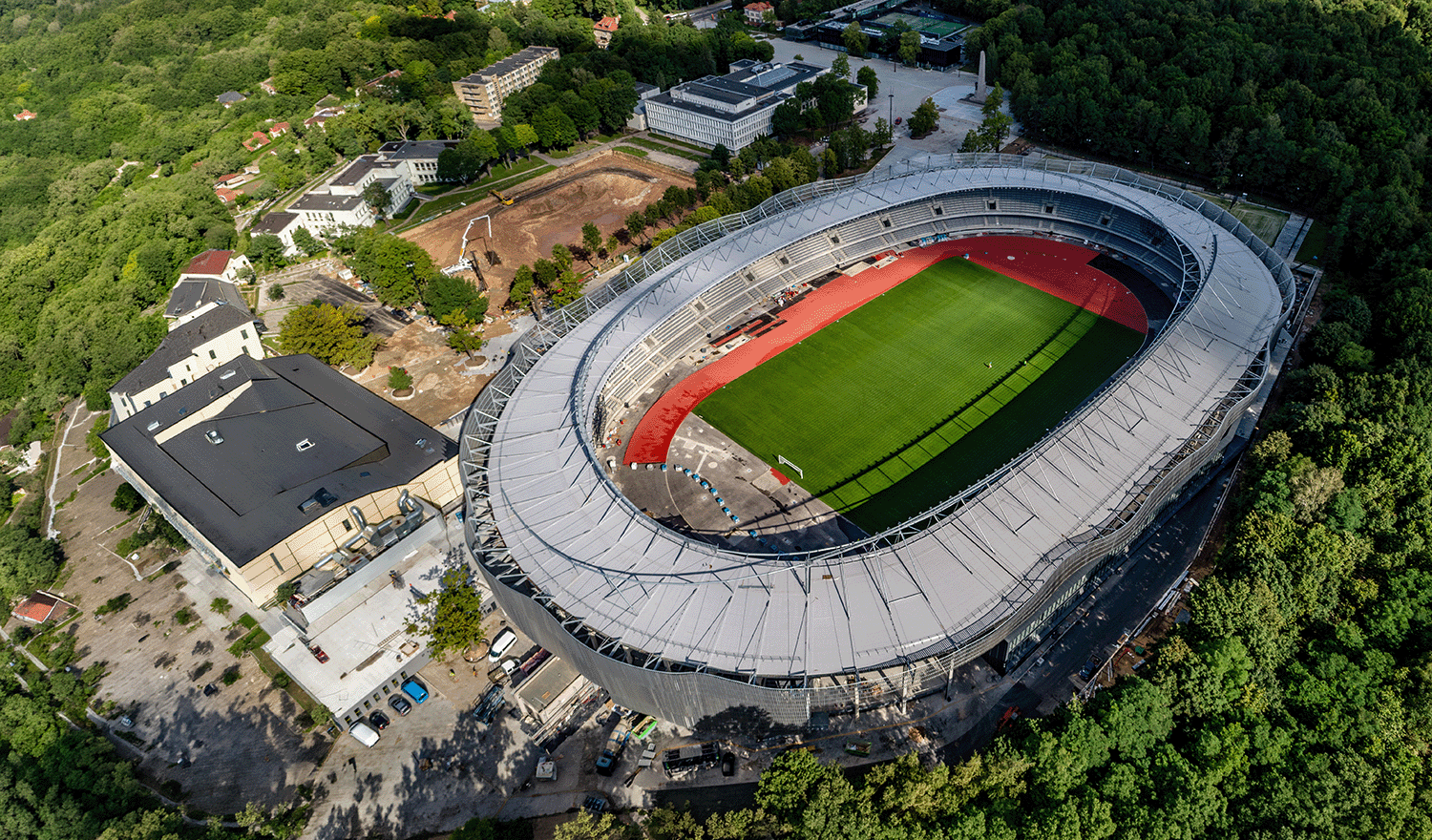
Kick-off doesn’t move. Neither does the curtain. When the gates open, every floodlight, lift, and fire panel has to be working, and every certificate your event licence depends on has to be current. A missed inspection isn’t a job for next week. It’s a problem for tonight.
Joblogic plans your maintenance around the fixture list, tracks every asset and inspection in one place, and flags what’s due well before it lapses. So event day is about the crowd, not the paperwork.
Fixtures don’t move for a maintenance job, and the safety certificate can’t wait for a quieter week either.
You pull the fire panel service history from one filing cabinet and the lift inspection from someone’s inbox, and neither tells you what’s actually due before Saturday’s kick-off.
A reactive job eats into the single day the stadium goes dark between fixtures, and the planned work queued behind it waits another fortnight, whether anyone notices or not.
A floodlight bank or a turnstile fails an hour before doors open, in front of a stand full of people and a safety officer who needs an answer now.
Turnstile, PA and lift contractors all work the same site the same day. The first sign a visit was skipped is the system failing, not a contractor confirming the job was done.

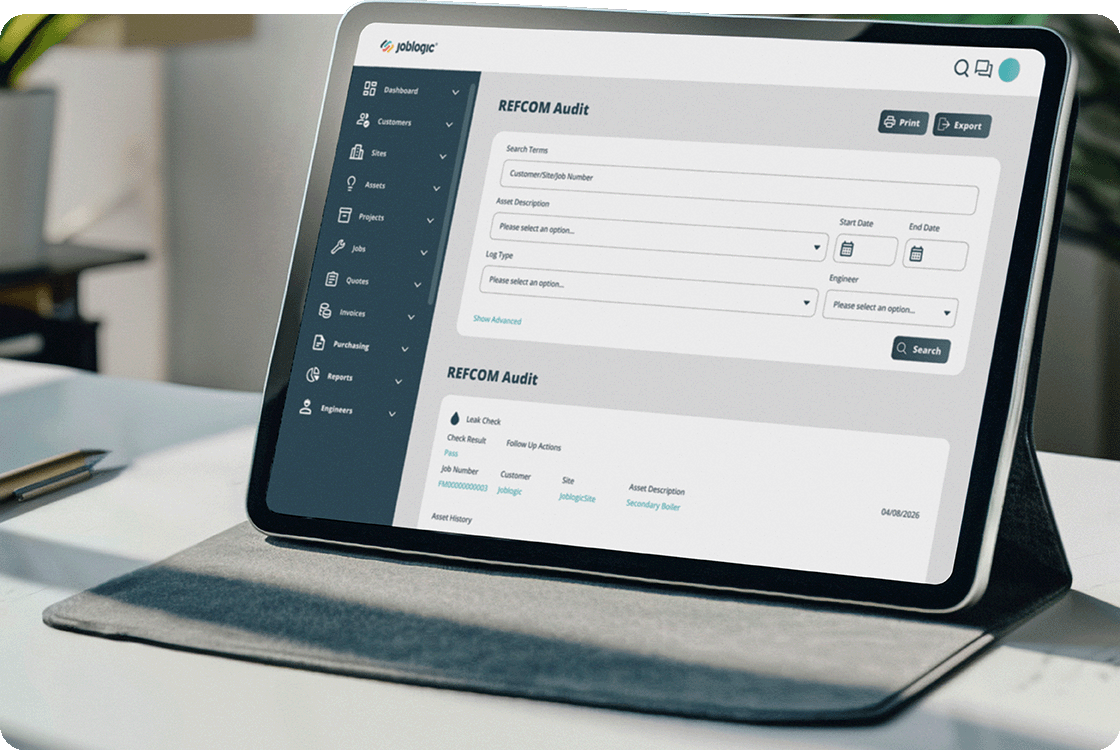
Produce the fire safety, electrical, and structural certificate for any stand or system the moment a licensing officer or insurer asks.

Build the maintenance run for the gap between fixtures in advance, so planned jobs, reactive fixes and contractor visits all fit inside one window.
Check the status of every plant room, stand, and system across the venue from one screen, instead of walking the ground on event morning.

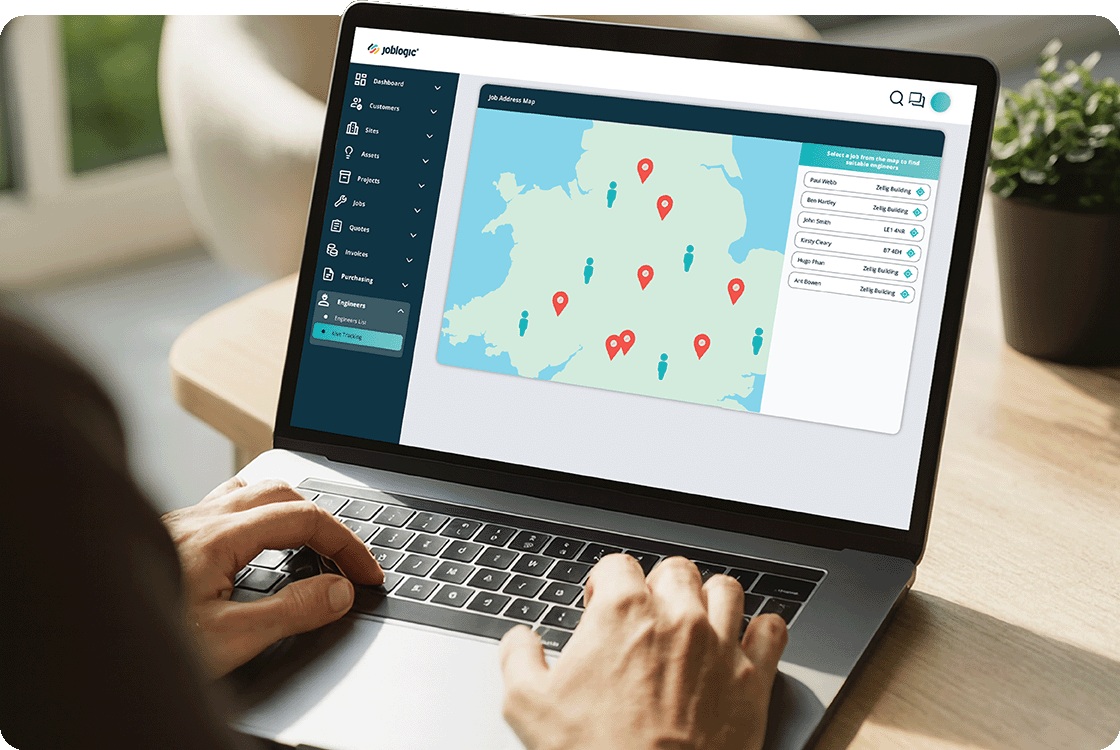
Turnstile engineers, PA technicians and lift contractors all work to one schedule, so a skipped visit surfaces before the gates open.

Catch the floodlight, turnstile, or fire system fault in the maintenance window, not live in front of a stand full of people and the press.
Every stand, system, and contractor, tracked from the maintenance window to the safety certificate in one place.
Every plant room, stand, and system gets its own record, with every certificate and service visit logged against it, so nothing gets checked from memory.
Planned jobs, reactive fixes and contractor visits all sit against the same maintenance window, so the whole run for a dark day gets built once, not assembled on the morning.
Live status across every plant room and system sits on one dashboard, so a fault becomes visible in the maintenance window before it becomes a fault live during an event.
Turnstile, PA and lift contractors log their own visits through scoped access, so a skipped job surfaces on your schedule before the gates open, not mid-event.
Every venue, stand, and system sits in one register, so adding a new stadium, arena, or leisure site doesn’t mean rebuilding how you already track the rest.
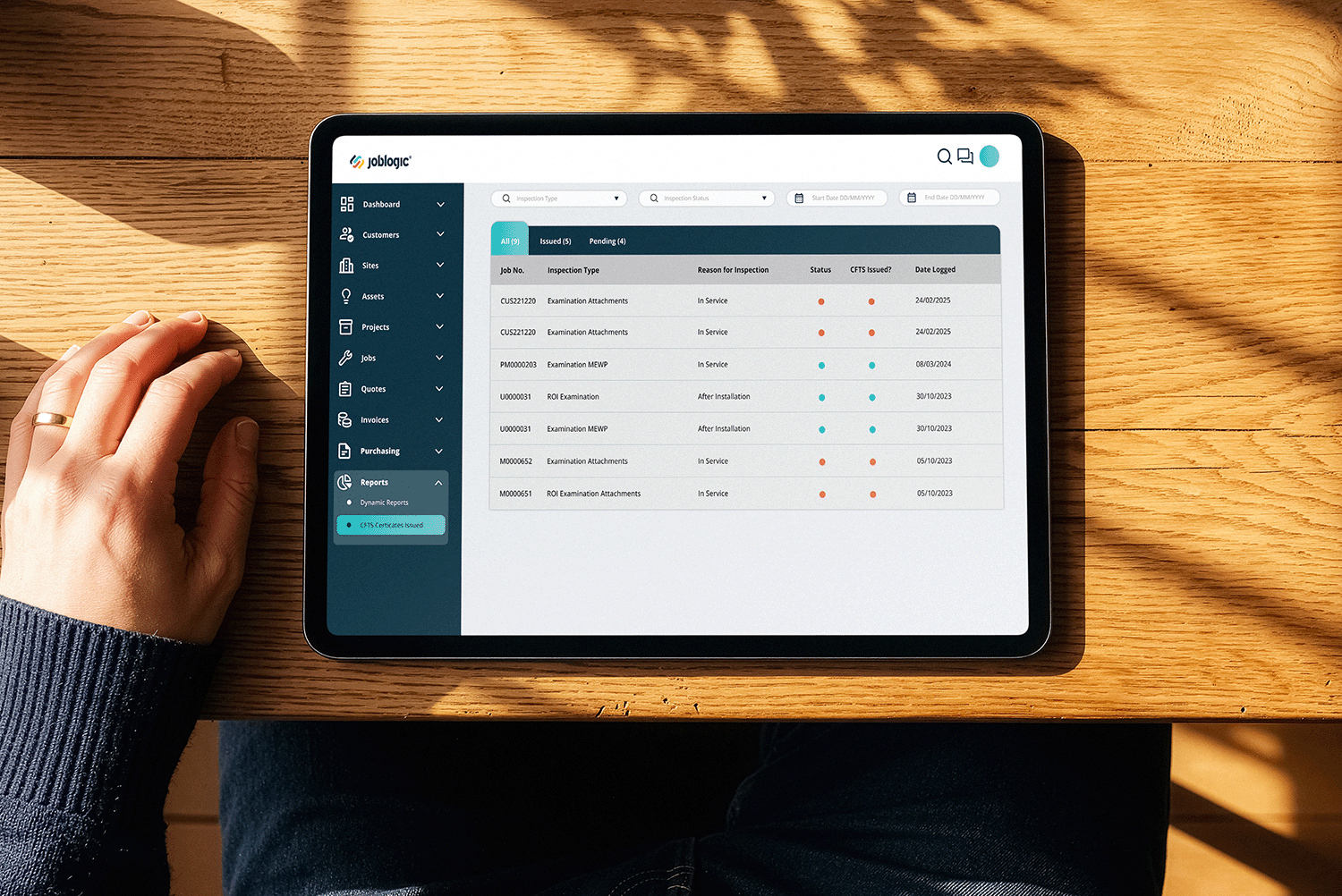
Every fire safety, structural, and electrical certificate attaches to the stand, plant room or system the moment an engineer signs it off, stored in one system, not a filing cabinet.
When the safety officer, licensing authority or insurer asks for proof before doors open, you export the record instead of searching for the last person who signed it off.
Who this touches depends on how big your operation is. A single-venue operator runs everything through one person; a national arena group splits it across a full team.
You walk into a licensing review or an insurance question with every certificate already proven, instead of rebuilding the file the week before doors open.
See how it works for ownersYou dispatch the right specialist to the right stand with the right certification, and see the visit close out with the certificate attached, not chased down after the event.
See how it works for service managersYou track cost and margin against every contractor and system as the work happens, so an event-week job that’s quietly overrunning gets caught before it’s invoiced.
See how it works for finance leadersYou manage licensing and certificate renewal across a group of venues, not one at a time. Joblogic builds that compliance record automatically, so renewal starts from proof, not a scramble.
See how it works for contract managersYour asset register spans venues you don’t walk every week. Joblogic tracks every stand, system, and certificate against the actual venue, not a spreadsheet.
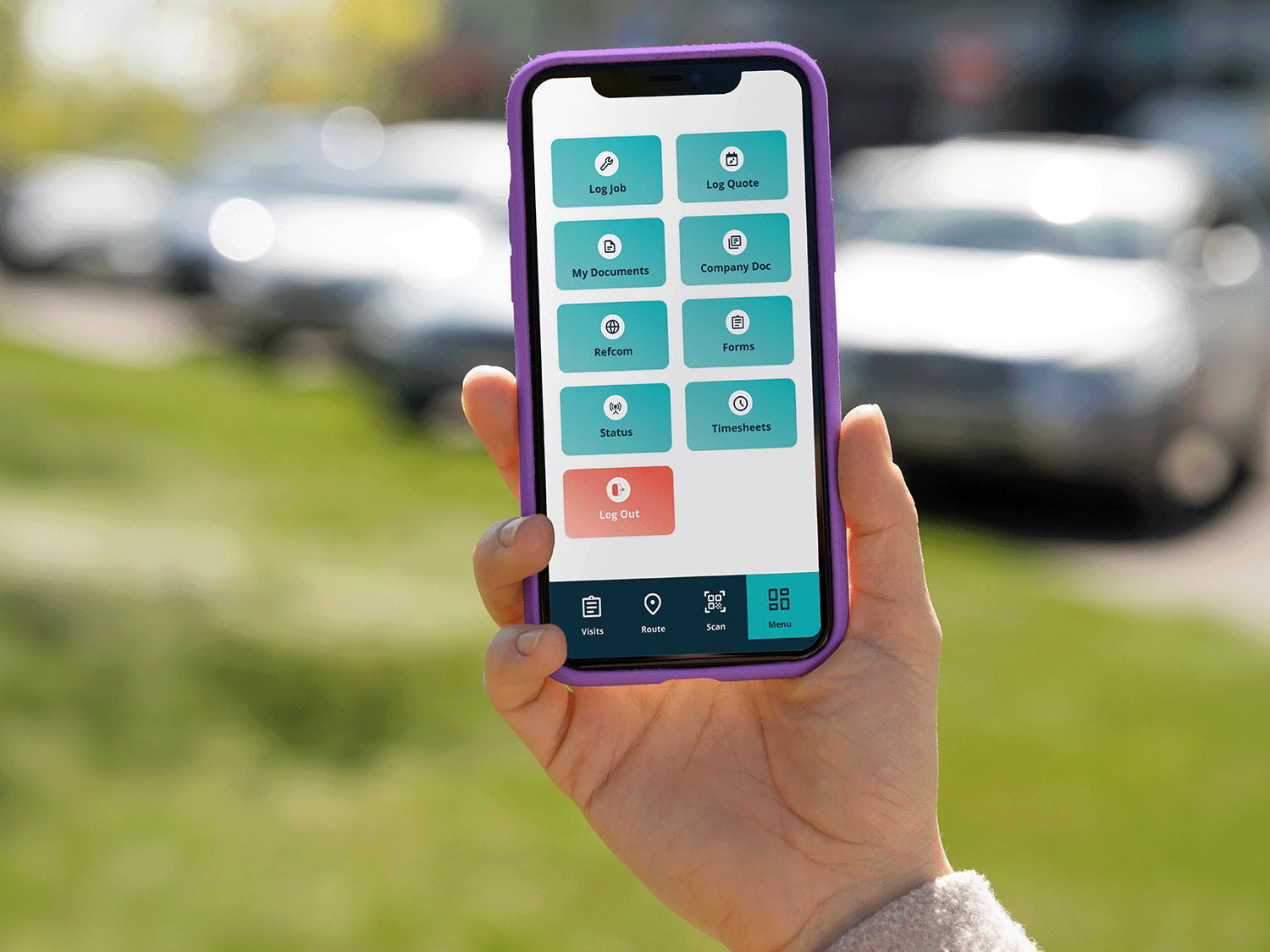
See how it works for estate managersAcross the Joblogic customer base, 80% of engineers use the mobile app day to day, a cross-vertical figure that plausibly holds here too, though not confirmed for this sector specifically. On site, engineers log certificates, capture photos of plant and equipment, and close out the job before they’ve left the stand. Adoption isn’t the barrier; the clipboard it replaces is.
Connects to the accounting and reporting systems you already use, and scales from one venue to a national portfolio.
Integrates with accounting platforms including Xero, Sage, and QuickBooks, so job and invoice data moves without a manual export between systems.
Team structures and permissions split by venue, stand, or region, so reporting stays accurate whether you run one stadium or a national arena group.
Tracks certification against the Regulatory Reform (Fire Safety) Order 2005 and the Green Guide’s safety-of-sports-grounds standards, against the stand or system it belongs to.
Not by creating more time, but by using what you have better. Planned jobs, reactive fixes and contractor visits all sit against the same maintenance window in advance, so the day itself runs to a schedule instead of being figured out that morning. It won’t stretch a single dark day into two.
Yes. The asset register isn’t built around one system type. Floodlights, turnstiles, fire panels, lifts, and pitch equipment each get their own record, service history and certificate, in the same system as everything else on the estate.
Yes. Turnstile, PA, lift and fire-system contractors get a portal scoped only to the jobs and systems you assign them. They log service visits and certificates there; they don’t see your other venues, contracts, or commercial data.
Every certificate, inspection, and service record attaches to the stand, system, or asset it belongs to, whether it’s fire safety, electrical, or structural. When a safety officer or insurer asks for a stand’s history, you export the record instead of chasing whoever signed it off.
Both. The same asset, maintenance, and compliance structure holds whether you’re running one stadium or a national group of arenas. Team structures and permissions split by venue or region as the portfolio grows, so oversight doesn’t get harder as the estate does.
No. Joblogic handles maintenance, compliance, and asset history, not ticketing or event booking. If your event management system needs to receive certificate or asset status, that connection is scoped per venue and confirmed during implementation.
Thirty minutes on your venue: certificates proven before doors open, maintenance that fits the one day you get, and contractor visibility that surfaces a skipped job before the gates do.